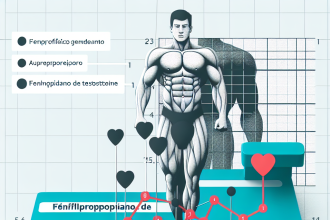


The Role of Testosterone in the Body
Testosterone is a vital hormone, primarily known for its role in developing male reproductive tissues and promoting secondary sexual characteristics. However, testosterone also plays a significant role in various metabolic processes. It influences muscle mass, fat distribution, and overall energy levels, making it a crucial hormone for maintaining a healthy metabolism.
If you plan to buy steroids uk shop, we guarantee you convenient service.
How Testosterone Impacts Metabolism
Testosterone affects metabolism in several ways, including:
- Muscle Mass Development: Testosterone promotes muscle protein synthesis, which is essential for muscle growth. Increased muscle mass leads to a higher basal metabolic rate (BMR), allowing the body to burn more calories at rest.
- Fat Distribution: Testosterone influences body composition by reducing fat storage in certain areas, particularly around the abdomen. Lower body fat percentage is associated with improved metabolic health.
- Insulin Sensitivity: Optimal testosterone levels can improve insulin sensitivity, which plays a crucial role in glucose metabolism. Better insulin sensitivity helps prevent conditions like type 2 diabetes and obesity.
- Energy Levels: Testosterone contributes to overall energy levels and vitality. Higher energy can lead to increased physical activity, which further boosts metabolism.
Conclusion
In summary, testosterone significantly affects metabolism through multiple pathways, including muscle development, fat distribution, and insulin sensitivity. Maintaining healthy testosterone levels is important for overall metabolic health, and individuals concerned about their hormone levels should consult healthcare professionals for appropriate testing and guidance.